BrightGrid Energy Review sun and solar-panel logo
BrightGrid Energy Review
Practical energy guidance • careful product reviews • no guaranteed outcomes
Avoidable errors

Common alternative energy mistakes—and the safer fix for each one

Most expensive mistakes happen before installation: believing a claim without measurement, sizing from guesswork, ignoring site limits or treating an electrical project as ordinary DIY.

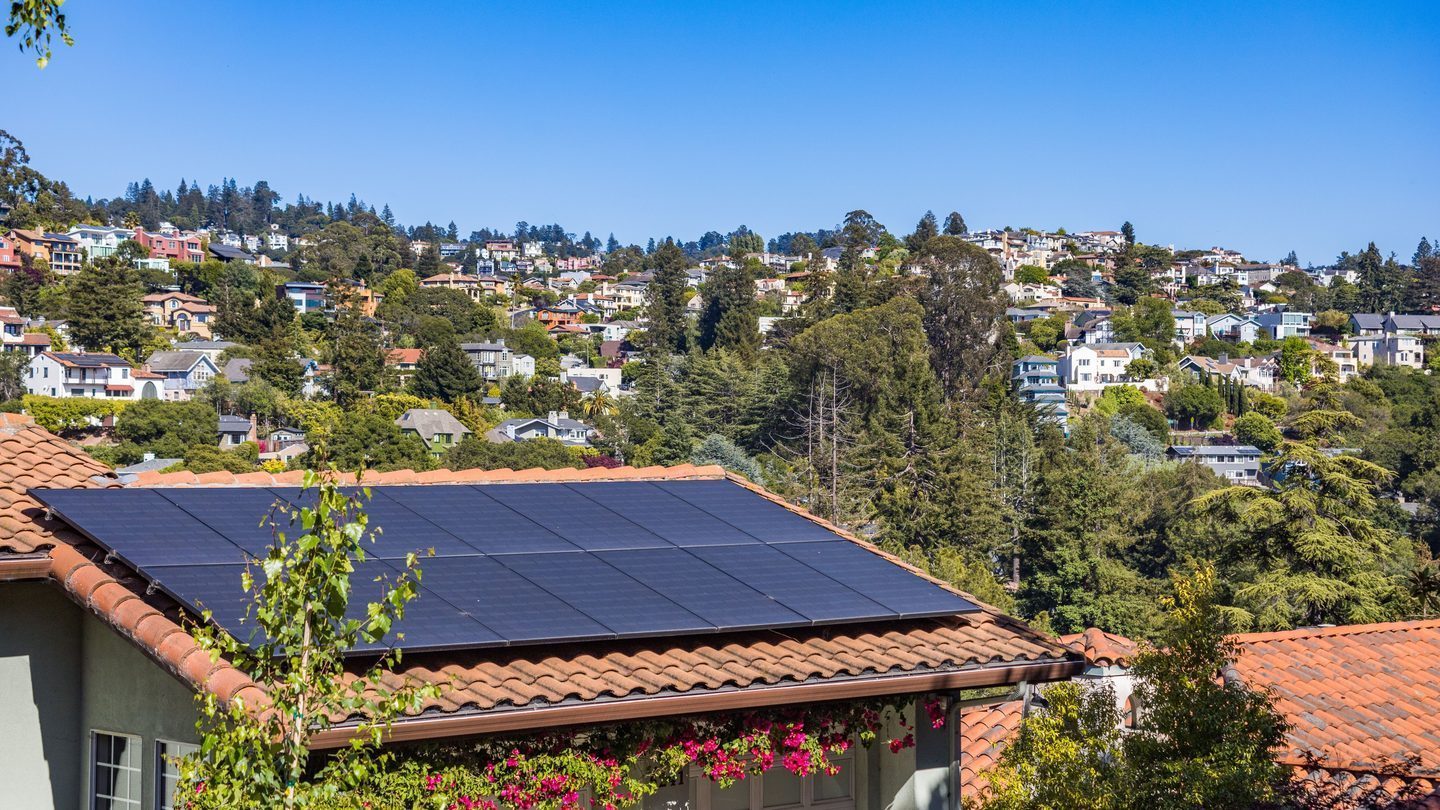
Residential neighborhood with rooftop solar panels in the foreground
Photo: Robert So / Pexels

Mistake: buying a promise instead of a specification

Words such as “revolutionary,” “unlimited” or “dramatic savings” are not engineering measurements. A useful specification names power, energy, voltage, current, test conditions and limitations. If a product is a digital guide, evaluate the quality and clarity of the guide separately from any performance story used to sell it.

Fix: write down the exact result you expect, then identify what independent evidence would prove it. If no credible evidence is available, lower the expectation rather than raising the assumption.

Mistake: ignoring the roof, shade or weather

Solar output changes with orientation, shading, weather, temperature and season. A roof may also need repair or replacement before panels are added. Even excellent equipment cannot overcome a fundamentally poor site without design changes.

Fix: model the location, inspect the roof, and compare rooftop with ground-mounted or community-solar alternatives where available.

Mistake: treating batteries like simple containers

Batteries involve stored energy, charging limits, thermal behavior, protective devices and compatible inverters or chargers. A large battery can create serious fire and shock hazards if designed or installed incorrectly.

Fix: use listed equipment for permanent installations and involve qualified professionals where codes or high-energy systems apply.

Mistake: connecting a DIY device to household wiring

A standalone experiment and a grid-connected home energy system are fundamentally different risk categories. Backfeeding wiring, improper transfer arrangements and unapproved interconnection can injure people and damage equipment.

Fix: keep learning projects isolated from household and utility circuits unless a licensed professional designs and approves the connection.

Prevention checklist

  • Verify what the product physically is before buying.
  • Ask whether performance is independently measured.
  • Check permits, electrical codes and utility rules.
  • Use realistic site data and load data.
  • Budget for balance-of-system parts, not just the headline component.
  • Confirm current refund terms directly at checkout.
  • Never use marketing claims as a substitute for electrical design.
Three products reviewed on every page

Compare the current offers carefully

These are affiliate recommendations. Qualifying purchases may earn this site a commission at no extra cost to you. Current contents, terms and claims belong to the sellers; verify them on the official pages.

01
DIY alternative-energy guide

Energy Revolution System

Public affiliate material identifies it as a digital DIY energy blueprint under ClickBank vendor enrev.

  • Structured DIY-guide positioning
  • Public affiliate center confirms the vendor code
  • Best evaluated as educational material unless performance is independently verified

Who may consider it: Curious DIY learners who want to inspect a guided experimental energy project.

Review the official page
02
DIY home-power guide

Home Power Shield

A digital alternative-energy guide associated with ClickBank vendor homepsh. Public reporting describes an experimental home-power concept.

  • Digital guide rather than ready-made hardware
  • Public affiliate center confirms the vendor code
  • Current seller disclaimers and technical claims should be reviewed carefully

Who may consider it: Hands-on learners comfortable treating the project as experimental and seeking qualified help for electrical work.

Review the official page
03
3D solar DIY guide

Solar Innovator System

A digital guide associated with ClickBank vendor sinnovator, publicly described around a three-dimensional solar arrangement.

  • Solar-focused learning concept
  • Active alternative-energy marketplace listing found
  • Research on 3D solar geometry does not by itself validate this specific DIY build

Who may consider it: Readers interested in a solar-geometry project who will compare claims with measured output and established PV options.

Review the official page