BrightGrid Energy Review sun and solar-panel logo
BrightGrid Energy Review
Practical energy guidance • careful product reviews • no guaranteed outcomes
Hands-on planning

Practical alternative energy guides you can use before buying anything

These mini-guides focus on decisions you can verify: your load, your solar resource, your backup needs and the evidence behind a product claim.

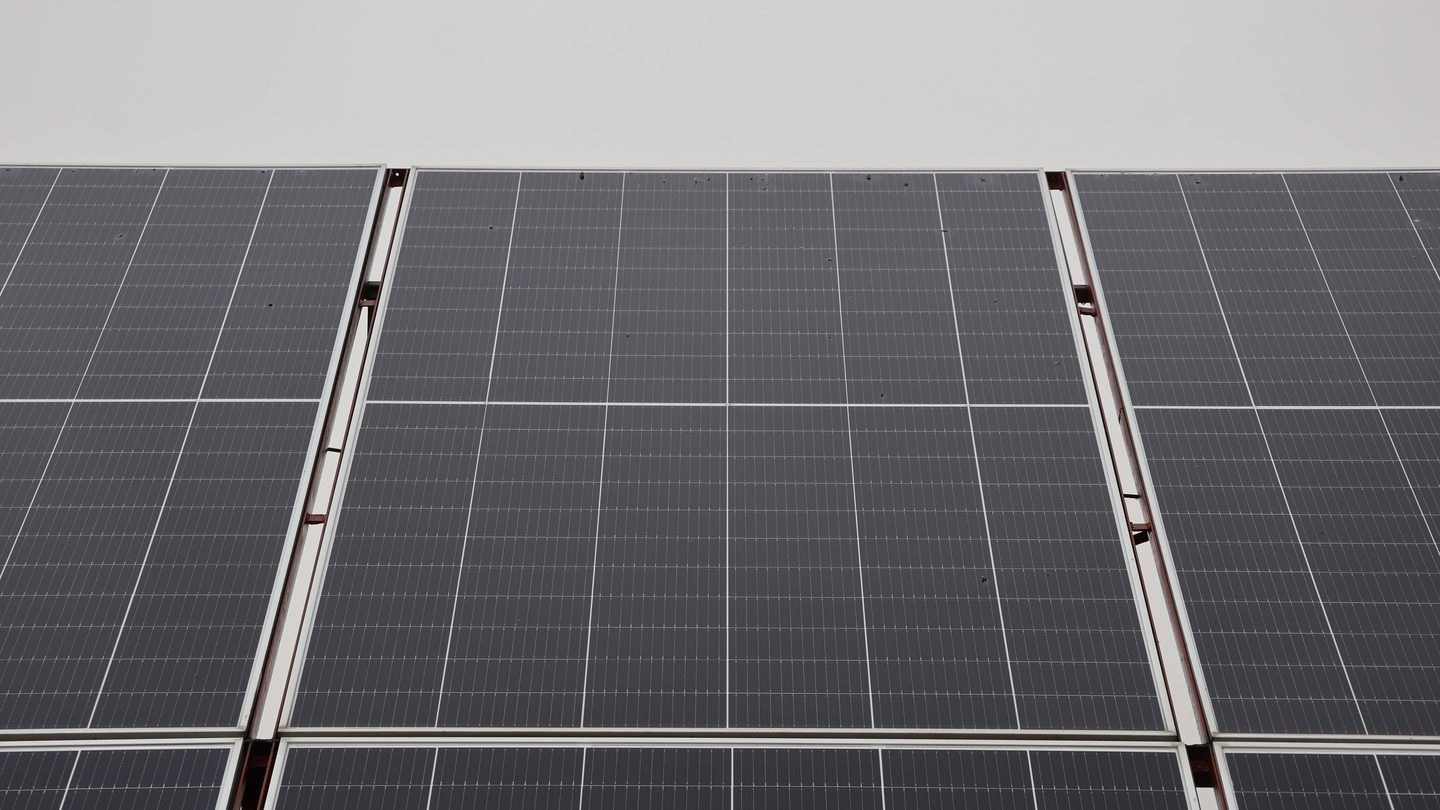
Close-up view of photovoltaic solar panels
Photo: Sami Raad / Pexels

Guide 1: audit the loads that matter

Create two lists: everyday electricity use and outage-critical use. For the second list, record each appliance’s running watts, likely hours of use and whether it has a high startup surge. Add the energy for the day, then build in margin. This prevents a common mistake: sizing backup around the whole house when the real goal is refrigeration, lighting, communications and a few outlets.

Simple energy estimate: watts × hours ÷ 1,000 = kilowatt-hours (kWh).

Example: a 100-watt load used for 5 hours consumes about 0.5 kWh. Real systems also have conversion losses, standby loads and battery operating limits, so this is a planning estimate rather than an engineering design.

Guide 2: estimate solar potential before discussing savings

Start with location, roof or ground orientation, shade and available area. NREL’s PVWatts calculator estimates production for grid-connected PV using location and system assumptions. Treat its output as an estimate, not a guarantee. Compare the modeled annual and monthly production with your own consumption pattern and local electricity tariff.

  • Use a realistic system size, not the maximum that could fit.
  • Account for shading, soiling and other losses.
  • Check whether local compensation for exported energy changes the economics.
  • Do not confuse energy production (kWh) with instantaneous power (kW).

Guide 3: test extraordinary product claims with ordinary questions

When a sales page makes a large performance claim, ask for measurable inputs and outputs: What is the energy source? What is the rated continuous power? What voltage and current are produced? Under what test conditions? Is there independent measurement? Is the finished build certified for the intended use?

A product can still have educational value even when its marketing claim is not independently established. The key is to buy the thing it verifiably is—a guide, blueprint or learning project—rather than assuming it is certified whole-home equipment.

Guide 4: make a safe go/no-go decision

QuestionProceed carefully when…Stop and get expert help when…
VoltageThe project is low-voltage and isolated.It involves mains voltage or a service panel.
StorageSmall, protected battery packs are used as intended.Large battery banks, custom packs or unknown cells are involved.
ConnectionThe project powers a standalone load.It will connect to house wiring or the utility grid.
CodeLocal rules are clear.Permits, inspections or interconnection rules are uncertain.
Three products reviewed on every page

Compare the current offers carefully

These are affiliate recommendations. Qualifying purchases may earn this site a commission at no extra cost to you. Current contents, terms and claims belong to the sellers; verify them on the official pages.

01
DIY alternative-energy guide

Energy Revolution System

Public affiliate material identifies it as a digital DIY energy blueprint under ClickBank vendor enrev.

  • Structured DIY-guide positioning
  • Public affiliate center confirms the vendor code
  • Best evaluated as educational material unless performance is independently verified

Who may consider it: Curious DIY learners who want to inspect a guided experimental energy project.

Review the official page
02
DIY home-power guide

Home Power Shield

A digital alternative-energy guide associated with ClickBank vendor homepsh. Public reporting describes an experimental home-power concept.

  • Digital guide rather than ready-made hardware
  • Public affiliate center confirms the vendor code
  • Current seller disclaimers and technical claims should be reviewed carefully

Who may consider it: Hands-on learners comfortable treating the project as experimental and seeking qualified help for electrical work.

Review the official page
03
3D solar DIY guide

Solar Innovator System

A digital guide associated with ClickBank vendor sinnovator, publicly described around a three-dimensional solar arrangement.

  • Solar-focused learning concept
  • Active alternative-energy marketplace listing found
  • Research on 3D solar geometry does not by itself validate this specific DIY build

Who may consider it: Readers interested in a solar-geometry project who will compare claims with measured output and established PV options.

Review the official page