Direct answers
Alternative energy FAQ: solar, DIY power and buyer questions
These answers separate established energy basics from product-specific marketing so you can make a safer, more realistic decision.
Solar and home-energy basics
Core questions about how common residential energy systems work.
What does “alternative energy” mean for a home?
It usually means energy sources or systems outside conventional grid-only consumption, such as solar photovoltaics, batteries, small wind in suitable locations, efficiency measures and off-grid systems. Some DIY products also use the term for experimental concepts, which should be evaluated separately from established technologies.
How do solar panels make electricity?
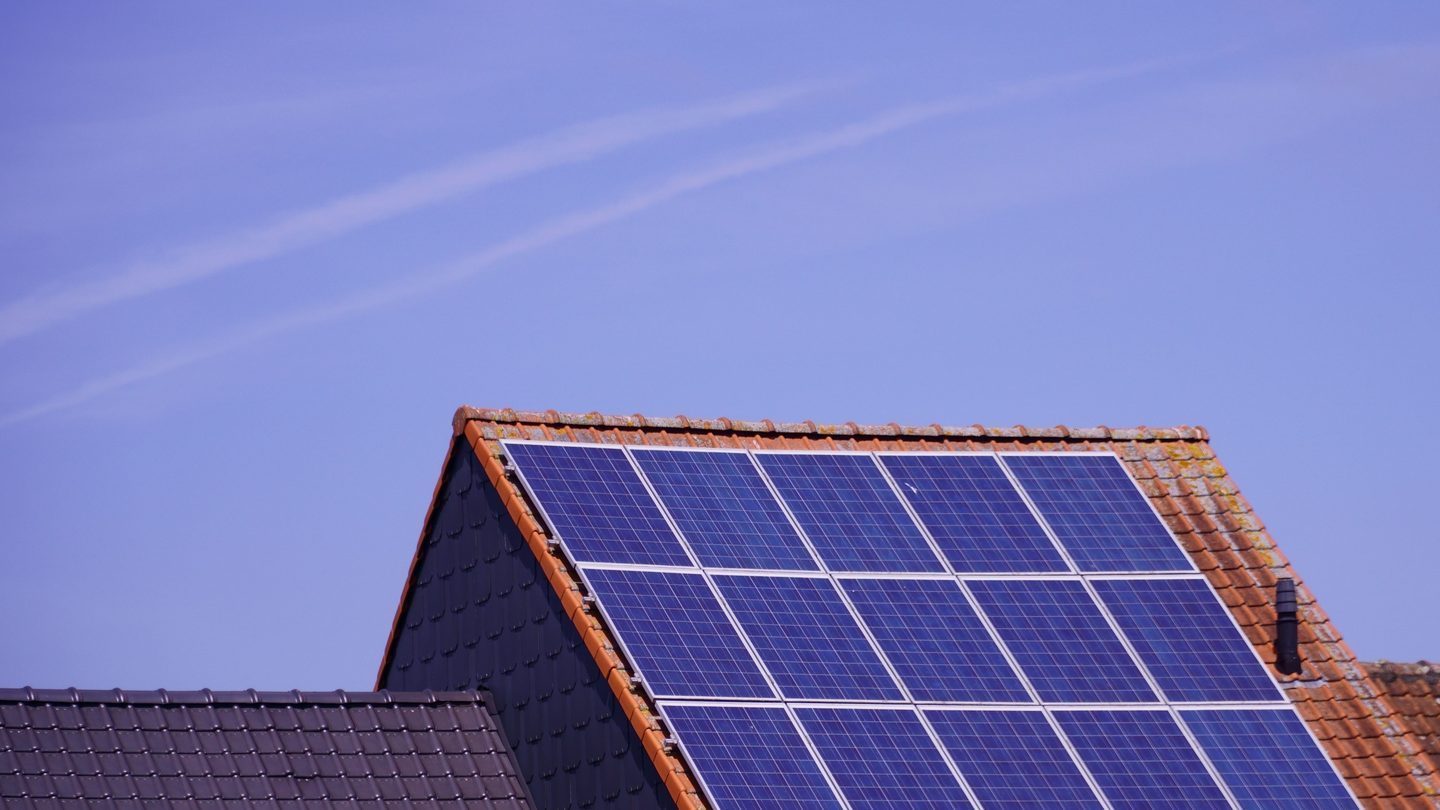
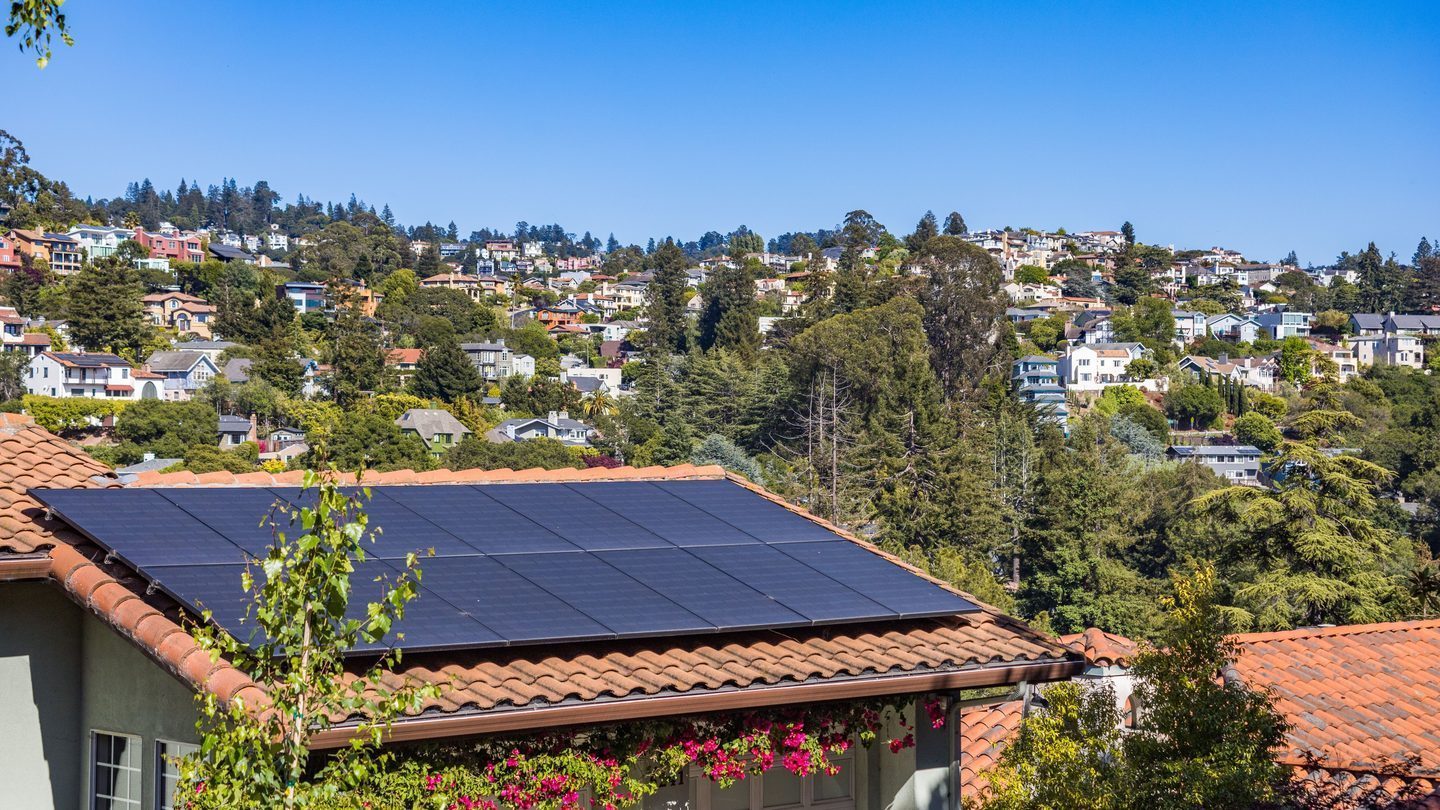
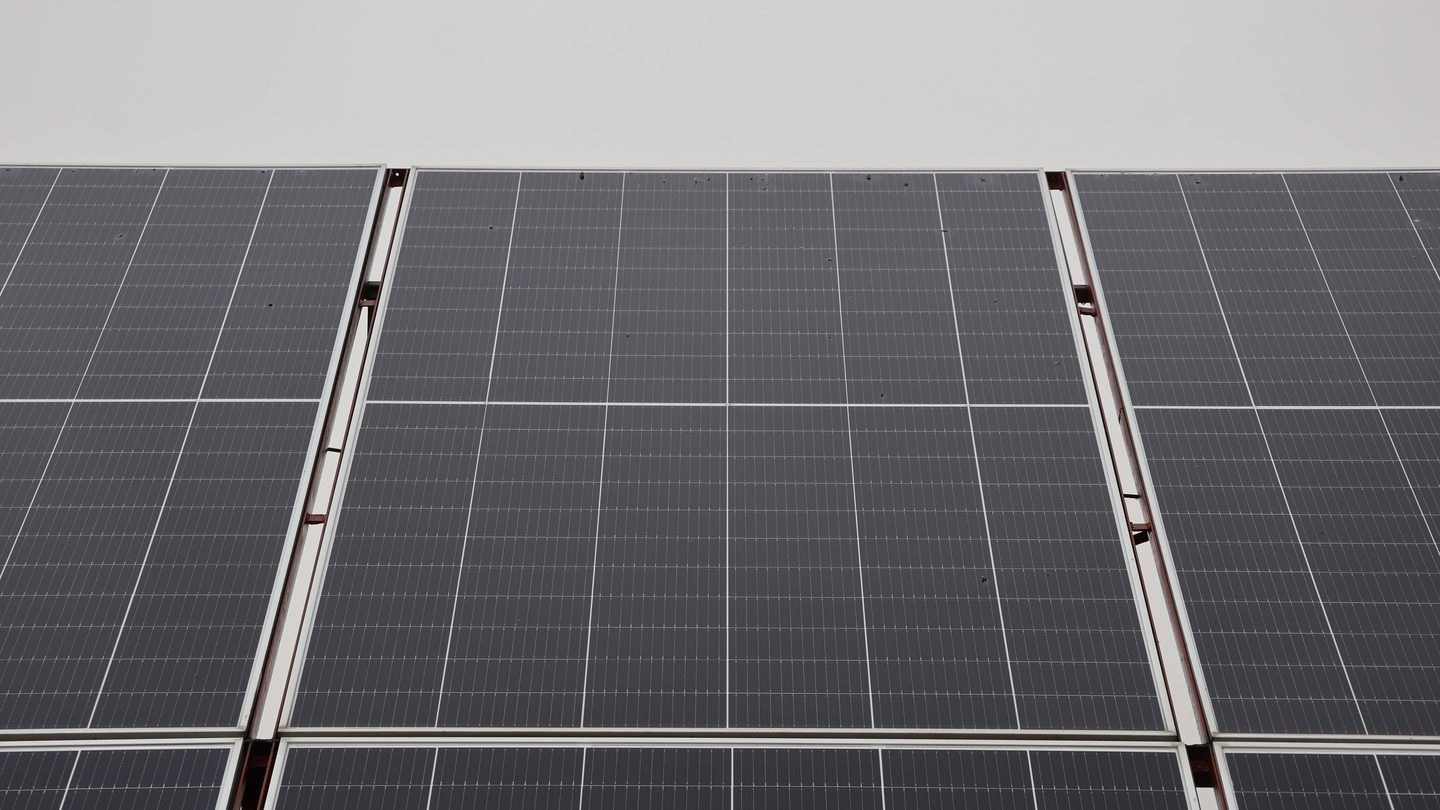
Photovoltaic cells absorb energy from sunlight and create electrical charges that flow as direct current. A complete home PV system typically uses an inverter to convert that electricity to alternating current for common loads or grid connection.
Can solar panels power a whole house?
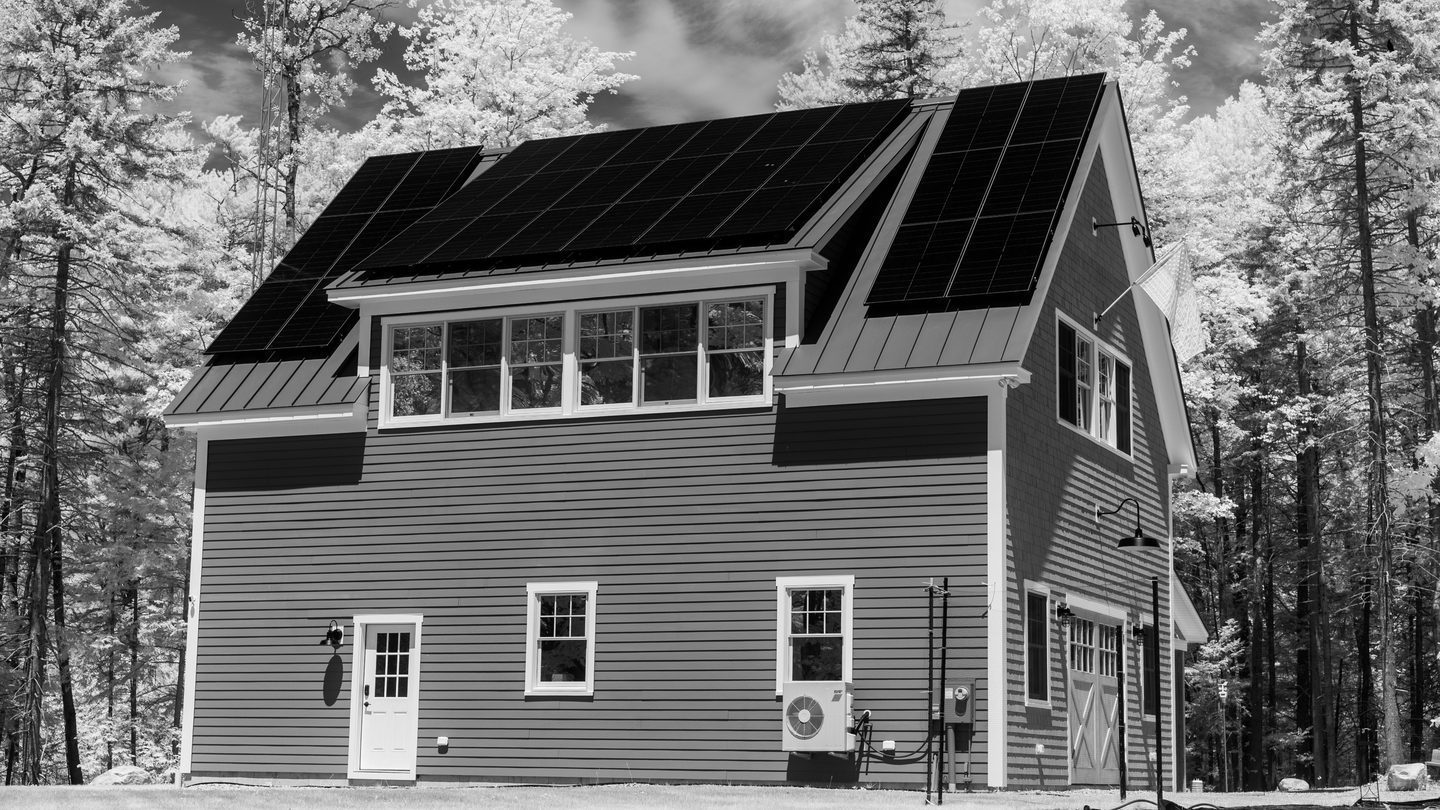
A properly sized solar array can generate energy comparable to a home’s consumption over time, but instantaneous loads, nighttime use, weather, storage and grid arrangements matter. Whole-home capability must be designed from site and load data rather than assumed from panel count alone.
Do I need a battery with solar panels?
Not always. Many grid-connected solar systems operate without batteries. A battery is mainly useful when you want stored energy for outages, time shifting or off-grid operation. Whether it is worthwhile depends on your goals, tariff and local conditions.
DIY claims, electrical work and safety
Questions that help separate a learning project from permanent household electrical work.
Are DIY alternative-energy guides the same as buying a generator or solar system?
No. A digital guide provides information or plans. It is not certified hardware, and the finished project may have no independent performance or safety certification. Confirm exactly what is delivered before buying.
Can a DIY device legally connect to household wiring?
Rules vary by location, but permanent electrical work and grid interconnection commonly require code-compliant equipment, permits, inspections or licensed professionals. Do not connect an experimental device to home or utility wiring without qualified guidance and required approvals.
How should I evaluate a claim that a device will cut my power bill by a large percentage?
Ask for independently measured energy output in kWh under defined conditions, compare it with your own bill and tariff, and check whether the result has been replicated. Treat a sales-page percentage as marketing unless reliable evidence supports it.
What is the difference between kW and kWh?
Kilowatts (kW) measure power at a moment in time. Kilowatt-hours (kWh) measure energy over time. A utility bill is usually based mainly on kWh, so a savings claim should ultimately connect to energy, not just peak power.
Tools and buyer questions
Practical questions to ask before relying on an estimate or purchasing a digital guide.
What is a good first tool for estimating rooftop solar production?
NREL’s PVWatts calculator is a useful public tool for estimating the energy production of grid-connected photovoltaic systems from location and system assumptions. Its results are estimates and include uncertainty.
Are Energy Revolution System, Home Power Shield and Solar Innovator System physical products?
The public information reviewed for this site presents them as digital alternative-energy guides or blueprints rather than ready-to-install certified household power equipment. Always verify the current seller page before purchase.
Which of the three reviewed products is best?
This site does not rank one as “best.” The better fit depends on the type of project you want to study, your skills, your willingness to treat performance claims cautiously and the current contents of each offer.
What safety rule matters most for a beginner?
Keep experimental projects isolated from household mains and the utility grid. When a project involves mains voltage, large batteries, permanent wiring or interconnection, use qualified professional guidance and follow local codes.